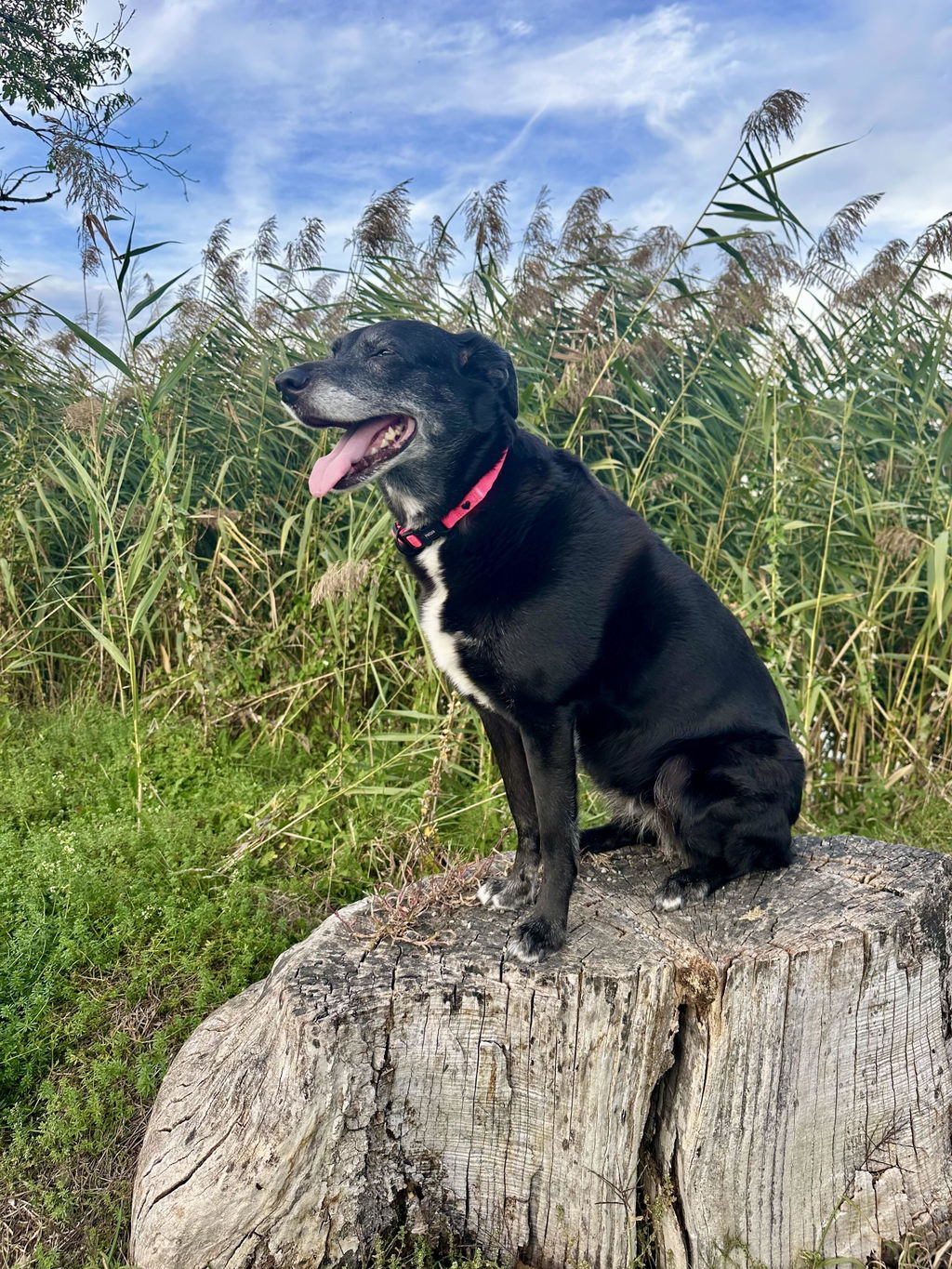
Do you feel like your dog isn't digesting their food properly? Dull coat, itching, or digestive issues? The cause is often found where you least expect it: in the grain content of the food.
More and more dog owners are therefore switching to grain-free dog food. But what is really behind it?

What is the problem with grain in dog food?
Many conventional types of food contain large amounts of wheat, corn, or barley – cheap fillers that offer little nutritional value. Yet, dogs need one thing above all else: meat.
The high grain content can cause the following problems:
- Flatulence, diarrhea, or constipation
- Skin problems & constant scratching
- Ear infections
- Overweight due to empty carbohydrates
- Allergies or food intolerances
Dogs are so-called carni-omnivores – carnivores with low tolerance for plant-based matter. Too much grain often overwhelms their digestive system.

What does "grain-free" actually mean?
Grain-free food completely avoids classic types of grain (e.g., wheat, oats, rice). Instead, nutrient-rich alternatives are used, such as:
- Sweet potatoes
- Potatoes
- Peas
- Lentils
These provide energy, are easier to digest – and are often much better tolerated.
💡 Important: When buying, make sure that high-quality meat is at the top of the ingredient list. Only then will your dog truly benefit.

Signs of grain intolerance in dogs
Is your dog constantly scratching? Do they have soft stool or a dull coat?
Possible warning signs of an intolerance are:
- Frequent smacking or licking
- Digestive issues
- Skin redness or itching
- Lethargy after eating
Often the problem is not recognized at all – or dismissed as "sensitivity." Yet a simple change in food can work wonders.
🩺 If in doubt: contact your vet and have any intolerances checked out.

Grain-free dog food: The benefits at a glance
- ✅ Better tolerance for sensitive dogs
- ✅ Lower risk of allergies
- ✅ Healthier coat and fewer skin problems
- ✅ More energy and vitality
- ✅ Natural nutrition, adapted to the dog's digestive tract
Many owners report noticeable changes after just a few weeks: more balanced behavior, more activity – and finally an empty bowl.

Conclusion: Fewer fillers, better quality of life
The best way to find out if your dog really doesn't tolerate grain is through observation. The fact is: grain-free dog food is often the better choice for sensitive, allergy-prone, or overweight dogs – and comes much closer to their natural diet.
👉 Try grain-free food now – your dog will love the difference.