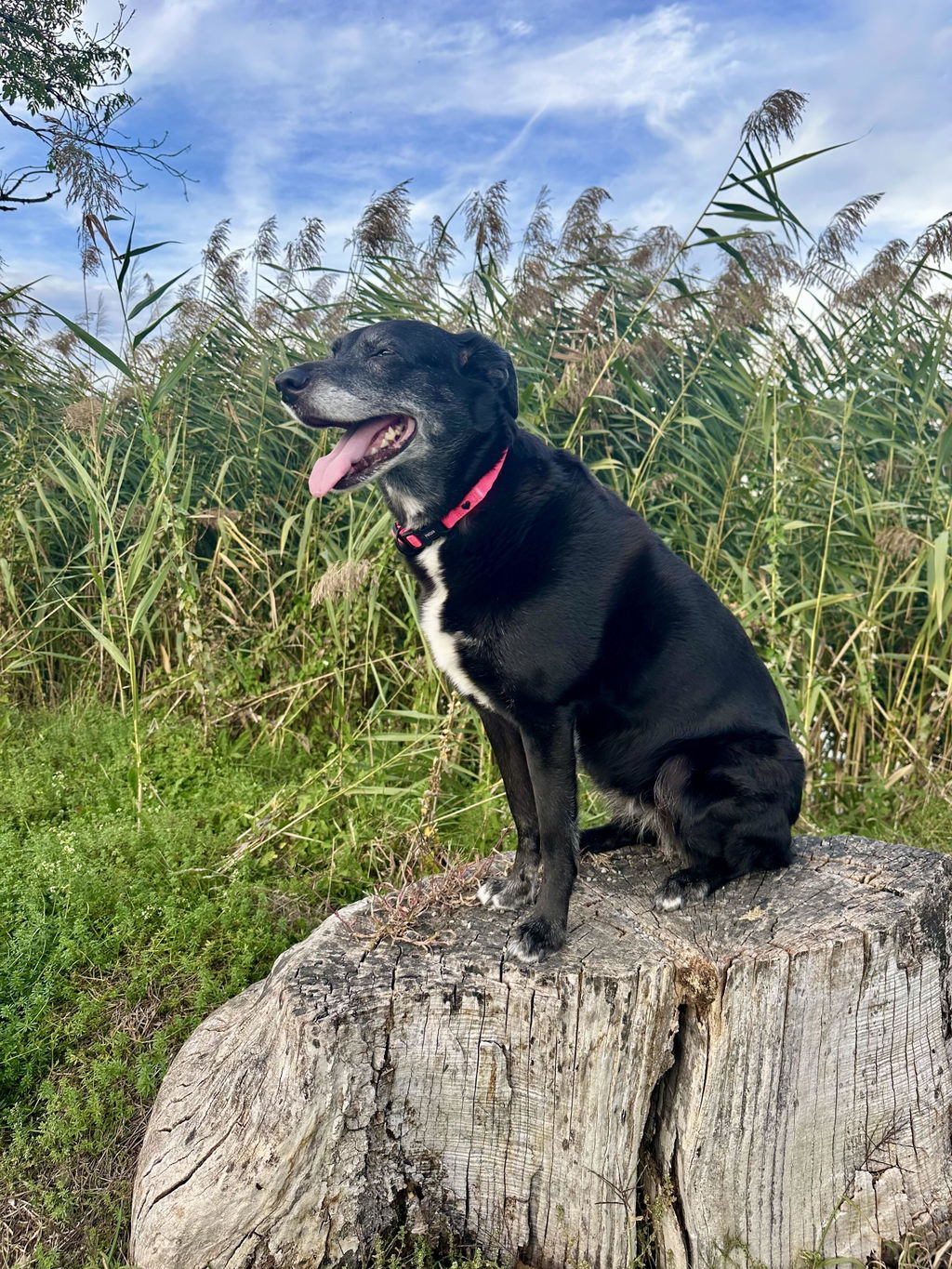
When clumps of hair are flying around the house, dog owners know: it's shedding season again. This is not only challenging for you—shedding is also quite strenuous for your dog.
In this article, we will provide you with interesting information, answer all your key questions about shedding, and explain how you can support your dog.
When do dogs shed?
Dogs shed their coats twice a year: in spring and autumn, specifically from April to May and from September to October.
In the spring, dogs lose their dense winter coat to develop a lighter summer coat. This transition is often more intense, as the undercoat is also shed.
In the autumn, the summer coat is replaced by a denser winter coat that provides protection against the cold. Hair loss is usually less significant during this time than in the spring.
The exact timeframes can vary depending on the climate and geographical location—in warmer regions, shedding is generally not as pronounced, whereas dogs in Germany and Switzerland often experience an intense shedding period.
However, light is more important than temperature in triggering the start of shedding: the length of daylight influences hormonal reactions that initiate the process.
How long does shedding last in dogs?
Shedding in dogs generally lasts between six and eight weeks. This duration can, however, vary depending on the breed, age, and individual factors.
For older or neutered dogs, the shedding period may be longer but less intense due to changes in their hormone balance.
Do all dog breeds shed?

No, not all dogs go through a classic shedding cycle.
Some dog breeds do not have an undercoat, so they do not need to shed one.
These include:
- Poodles
- Yorkshire Terriers
- Maltese
- Bichon Frisé
- Shih Tzus
- Havanese
Their fur barely sheds but grows continuously, meaning it must always be very well-cared for and regularly trimmed to prevent matting.
All dog breeds with a topcoat and undercoat, such as Labradors or German Shepherds, shed twice a year. The rule is: the denser the undercoat, the more intense the shedding.
How much hair do dogs lose during shedding?
During the shedding season, dogs can lose millions of hairs.
Depending on the breed, dogs have between 1,000 and 9,000 hairs per square centimeter of skin surface, which can total up to 20 million hairs for a medium-sized dog. A large portion of this is shed during the molting period, especially in the spring, when the dense winter coat is replaced.
Dog breeds with the most intense shedding are those with very dense undercoats and double coats. These include:
- Huskies
- Alaskan Malamutes
- German Shepherds
- Golden Retrievers
- Labrador Retrievers
- Samoyeds
- Bernese Mountain Dogs
- Newfoundlands
If your dog is shedding extremely heavily, it is usually no cause for concern. However, if the hair loss seems excessive to you, it is advisable to consult a vet.
What problems can arise during shedding?

Although shedding is a natural routine for dogs, problems can occur. Skin and coat issues in particular are relatively common, but general wellbeing can also be affected.
Excessive hair loss or bald spots: Stress, illness, or poor nutrition can increase hair loss in dogs. Furthermore, hormonal disorders such as hypothyroidism or an imbalance in the adrenal glands can play a role in excessive shedding. Bald spots can also indicate parasites, allergies, or skin diseases.
Itching and skin irritation: Dead hair can be prickly and cause itching. This can lead to your dog scratching, resulting in reddened or inflamed skin or the formation of dandruff.
Matting: Long-haired dogs and those with dense or curly coats are particularly prone to tangles and mats. These can, in turn, lead to itching, attract bacteria or parasites, and cause skin irritation. Severe matting can even be painful for dogs.
Fatigue: The dog's metabolism works intensely during the shedding process, which can lead to an increased need for sleep. As a result, your four-legged friend may be less active and tire more quickly during this time.
With regular grooming and a balanced diet, however, you can support your dog during shedding and minimize problems.
How can I properly care for my dog during shedding?
To provide optimal care for your dog during the shedding phase, regular brushing and coat/skin maintenance are essential.
Brushing removes loose hair, preventing matting, promotes skin circulation and coat shine, and speeds up the shedding process. Use appropriate brushes for your dog's coat type, such as undercoat rakes or rubber brushes.
Gentle massages can further stimulate circulation and relieve itching.
A FURminator or similar device, specifically designed to gently remove undercoat, can be especially helpful for dogs with a dense undercoat.
If your dog's fur is already matted, you should use grooming products like detanglers or conditioning sprays to avoid irritating the skin with overly vigorous brushing.
Moisturizing skin sprays are also recommended for skin care.
Important: Only bathe your dog during the shedding period in an emergency. Frequent bathing weakens the acid mantle of the skin, which is already stressed during this time.
How often should I brush my dog during the shedding season?

The rule of thumb is: during the shedding season, you should brush your dog daily, regardless of the coat type. This is especially important for breeds with a dense undercoat, such as Golden Retrievers.
For short-haired dogs, it may sometimes be sufficient to brush them every two to three days, though this depends on individual hair density. Test which frequency is right for your dog. For example, if you see very little hair in the brush during your daily grooming, you can increase the interval to two days.
Which nutrients do dogs need during the shedding season?
Shedding in dogs consumes certain nutrients in higher amounts:
Protein: Hair consists largely of keratin, a protein compound. The formation of new hair therefore requires more protein.
Biotin (Vitamin B7 or Vitamin H): Known as the skin and hair vitamin, it plays a central role in the metabolism of proteins, fats, and carbohydrates. Furthermore, it promotes the production of keratin.
Zinc: This trace element supports the regeneration of skin and hair and ensures healthy coat growth. If your dog does not get enough zinc during shedding, it can lead to brittle fur and skin problems.
Selenium: The need for selenium is increased during the shedding process because this trace element supports the immune system and hair formation.
Copper: Copper is required for the pigmentation and structure of the coat. Since new hair is increasingly formed during shedding, a copper deficiency can occur, which may cause a dull coat.
Omega-3 fatty acids: These promote coat growth, reduce hair loss, and improve coat density. In the skin, they support cell renewal, keep cell membranes supple, and reduce inflammation.
Omega-6 fatty acids: These essential fatty acids strengthen the skin barrier, reduce roughness, and prevent dryness. They also soothe skin inflammation and promote coat growth by stimulating keratinocytes.
Vitamin A: Vitamin A plays a crucial role in maintaining hair follicles and a soft coat. It also promotes skin cell renewal, strengthens the barrier function, and protects against dryness and flaking.
Vitamin E: This antioxidant protects against free radicals, promotes moisture retention, supports skin regeneration, and improves circulation. It aids nutrient supply to the hair roots through better skin circulation and protects against oxidative stress, which can increase hair loss.
What should be considered regarding feeding during the shedding season?

To support your dog during shedding, feed them high-quality dog food with natural, healthy ingredients and a high content of all essential nutrients. This can make the shedding process easier and improve coat quality. Artificial additives and inferior food, by contrast, can negatively affect the shedding process.
Look for a high meat content consisting of muscle meat. This is low-fat, protein-rich, and provides zinc, selenium, and other nutrients. Biotin and copper, for example, are found in liver. Flaxseed and thistle oil are good sources of Omega-3 and Omega-6. Vegetables and superfoods like rosehips, sea buckthorn, broccoli, carrots, or kale are rich in vitamins A, E, and numerous other nutrients.
In addition to a healthy, balanced diet, you must ensure hydration: make sure your dog drinks enough fresh water to prevent dry skin.
Conclusion
Shedding is a strenuous time for many dogs, requiring extra care and attention.
With regular grooming, the use of suitable brushes, and a healthy, nutrient-rich diet, you can support your dog during shedding so that both of you get through this time happily.
Above all, remember not to complain about hair in the house—after all, your dog cannot help the fact that they are shedding.
Legal notice: This article is for information purposes only and does not constitute veterinary diagnosis or advice.